
Listen to audio version
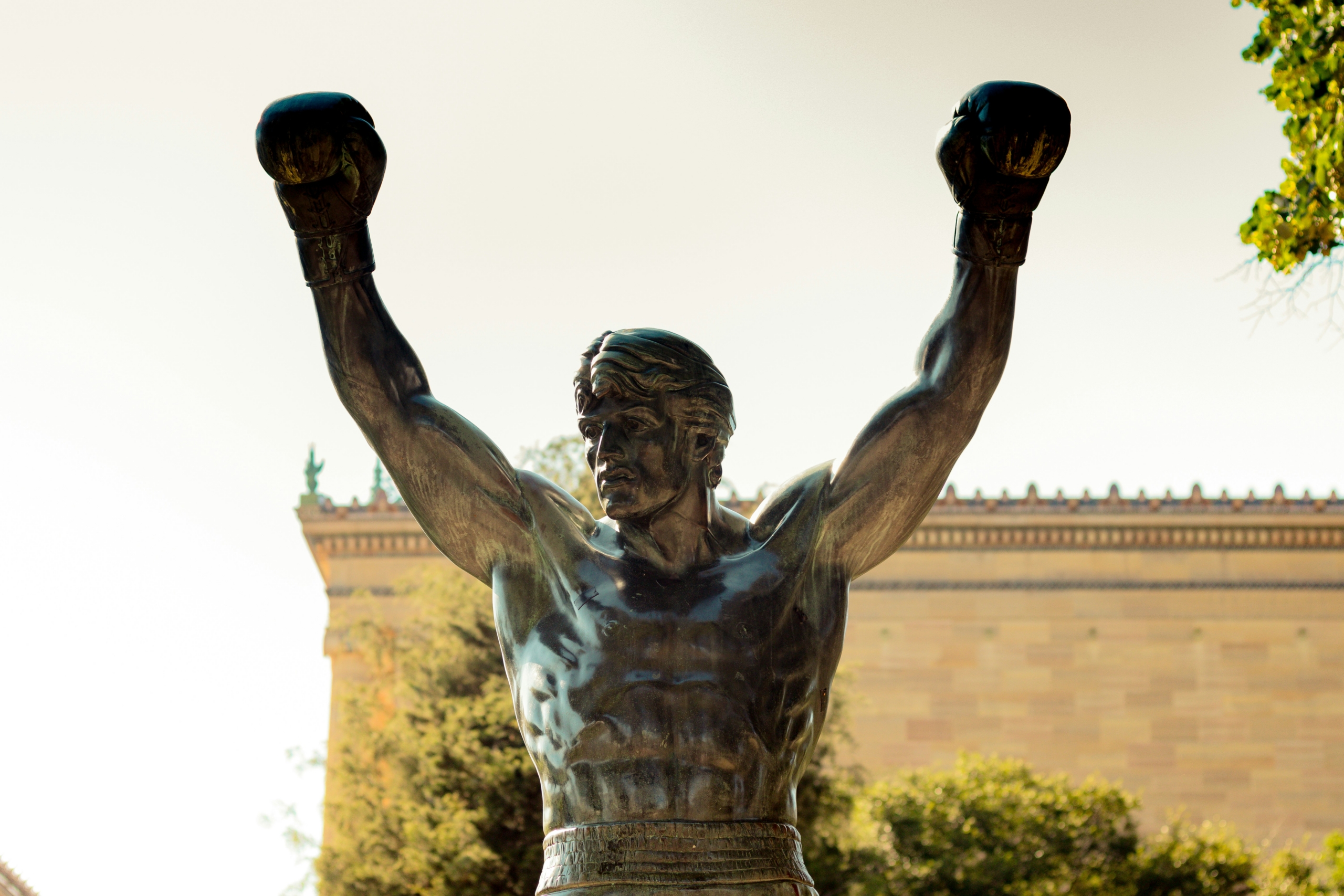
I’m currently working with an organisation on creating a healthier meeting culture. It is exciting work that can move the needle for so many people, and they are highly committed to the project outcomes. When I work on these culture shift projects, I always worry about what I call the ‘Rocky effect’.
Anyone of a certain age remembers coming out of a Sylvester Stallone Rocky movie all inspired and pumped up, shadowboxing all the way home. But the shadowboxing rarely lasted long. We pretty quickly got back to our day-to-day lives.
Imagine a team that walks out of a productivity masterclass inspired and energised, notebooks full, ready to change how they work. For a few weeks, or perhaps even a few months, the principles stay front of mind. Then, quietly, the old habits return. Eventually, the new behaviours give way to old habits, and the culture quietly reverts to its previous norm.
I have seen this pattern more times than I would like to admit. It is rarely because people disagreed with the ideas. It is because the practical disciplines gave way under pressure. People got busy, stressed, overloaded, and reverted to what was familiar.
Why good training fades
Productivity is often treated as an individual capability. Send people on a course, give them the tools, and expect the results to follow. But productivity is also a leadership and culture issue. If the surrounding environment does not support the new behaviours, if leaders do not model them well, and if no one keeps the change moving, even the best training will slowly unravel.
Culture change is not a moment; it is a project. And like any project, it needs structure and stages.
A three-stage approach
Sustained culture change usually plays out over a three-to-six-month window, in three stages.
1. Create initial traction
The first few weeks after a training are critical. Energy is highest and habits are most malleable. Leaders need to be visible, deliberate, and consistent. This might mean modelling the new behaviours themselves, publicly acknowledging early wins, or running short check-ins to see how people are applying what they learned. If leaders return to business as usual immediately after the training, the team will take that as a signal to do the same.
2. Maintain momentum
The middle stage is where most culture change projects quietly lose momentum. The novelty has worn off, and daily work is at its peak. Leaders need to shift from cheerleading to reinforcing. That means:
- Regular team conversations about what is working and where old habits are creeping back in.
- Small practical adjustments rather than sweeping new initiatives.
- A willingness to name the old behaviours when they creep back in, without judgement.
Leaders should notice and acknowledge the right behaviours, while also addressing old habits when they reappear. Momentum is maintained through many small acts of reinforcement, not one big push.
3. Embed the change into business as usual (BAU)
The final stage is often overlooked. There comes a point where the change should stop being a project and become simply how the team works.
Leaders should explicitly signal when the new behaviours are the new norm, embed them in team rituals, and stop treating them as a separate initiative. If a change project runs indefinitely, it never fully lands. At this point, usually three to six months after the initial training, measure to see what progress has been made, and establish regular touchpoints to revisit the key concepts.
A gentle nudge
If you are a leader who has invested in productivity training and watched the gains fade, the question is not whether your people learned enough. It is whether the culture around them was set up to reinforce and support what they learned.
Which of the three stages is your team stuck in, and what will you do this week to move your team forward?