
Listen to audio version
One of my favourite productivity hacks is to take advantage of concurrency opportunities. This concept will be familiar to those who manage projects, as concurrent tasks can be the key to getting a project over the line on time. But I reckon this concept has application to our everyday work too.
Put simply, concurrent tasks are tasks that can be done at the same time. If I were cooking dinner, the potatoes could be baking in the oven while I cook the steak on the BBQ. Concurrency usually needs more than one resource to complete the work, as people are not actually very good at multitasking. This could mean one person does task A while another does task B, or a resource like the oven cooks the potatoes while I cook the meat.
The advantage of this concept is that if the potatoes take 60 minutes to cook (including preparation), and the steak takes 20 minutes (including resting, of course), the total cooking time is still 60 minutes, as the tasks are concurrent. One of the key skills with project planning is working out which tasks are dependent on which, and where the concurrency opportunities lie.
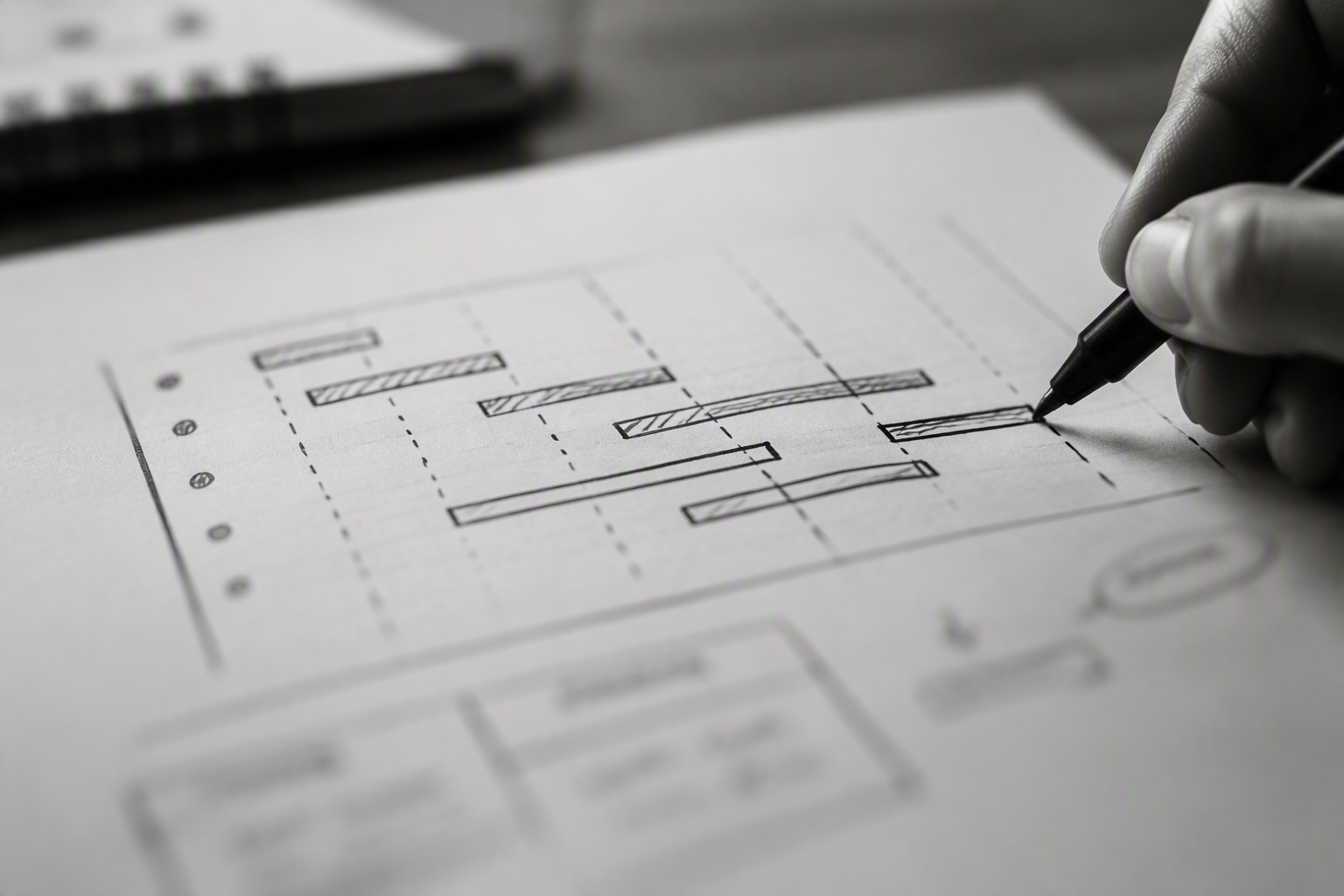
One of the challenges we face when trying to apply this thinking to our day-to-day work is that we tend to think sequentially. We don’t stop to plan the work and spot the concurrency opportunities. If I did this with my dinner, I would potentially cook the potatoes first, then the steak, and it would take a total of 80 minutes! I am too hungry for that! You need to be organised to take advantage of this concept. And you need to be proactive. Last minute planning won’t cut it, because as you creep closer to a deadline, windows for concurrency begin to close rapidly.
Here are my tips to maximise your use of concurrency:
- With any piece of complex work that will take several steps to complete, evaluate which steps possibly have a concurrency opportunity. Schedule these activities into your calendar or task list for the appropriate execution dates.
- Start every piece of more complex work with a thumbnail sketch. Just like an artist will draw a thumbnail sketch of a landscape before painting the picture in their studio, creating a quick list of the steps involved or even a simple project plan can help you to see the opportunities.
- Don’t forget to take dead time into account i.e. time spent waiting for approval after a draft has been submitted. If you fail to take this into account, it will definitely put pressure on your deadlines and cause you to miss the opportunity to be working productively on other steps while waiting.
The concept of concurrency is not new. It is just not often intentionally applied to work outside of projects, or outside of the kitchen for that matter. Why not pick something you are working on and see if there are opportunities to collapse the time involved by leveraging concurrency?